Medical Equipment Toronto Problems? Here Are the Expert Solutions for 2026
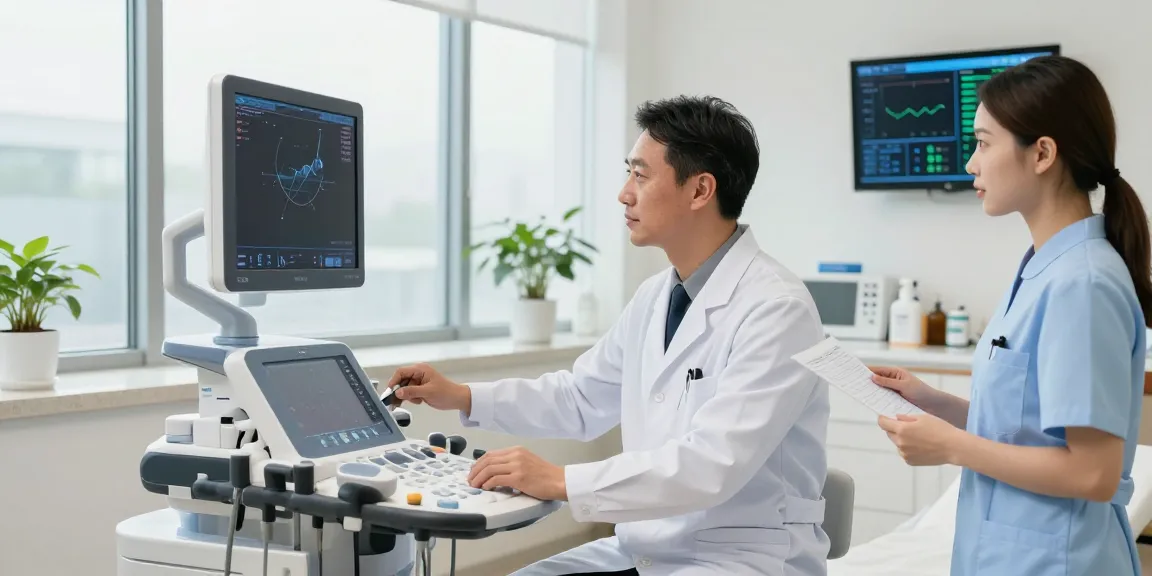
Understanding the Importance of Medical Equipment in Toronto
In the bustling healthcare environment of Toronto, medical equipment plays a vital role in ensuring effective patient care. From diagnostic imaging to surgical tools, the quality and availability of medical equipment can directly impact health outcomes. As healthcare evolves, understanding the nuances of sourcing and implementing medical equipment becomes increasingly important for healthcare providers. When exploring options, medical equipment toronto offers comprehensive insights that can enhance operational efficiency and patient wellbeing.
What Qualifies as Medical Equipment?
Medical equipment encompasses a broad range of devices used to diagnose, monitor, and treat medical conditions. This includes everything from basic items like stethoscopes and thermometers to advanced technology such as MRI machines and robotic surgical systems. The classification of medical equipment can also be broken down into categories such as:
- Diagnostic Equipment: Devices used to diagnose diseases, such as CT scanners and X-ray machines.
- Therapeutic Equipment: Tools that assist in treatment, like infusion pumps and laser therapy devices.
- Monitoring Equipment: Instruments to track patient health over time, including heart rate monitors and blood glucose meters.
- Support Equipment: Includes wheelchairs, crutches, and other mobility aids.
The Role of Medical Equipment in Patient Care
The role of medical equipment in patient care is paramount. High-quality medical devices facilitate accurate diagnosis and effective treatment, improving the overall healthcare experience. For instance, advanced imaging technologies allow for early detection of diseases, significantly enhancing prognosis. Moreover, equipment used in surgeries must meet rigorous standards to ensure patient safety and optimal outcomes.
Common Types of Medical Equipment Used in Toronto
In Toronto, a diverse range of medical equipment is utilized across hospitals, outpatient clinics, and rehabilitation centers. Some of the most common types include:
- Imaging Equipment: MRI, CT, and ultrasound machines are staples in diagnostics.
- Surgical Instruments: Operating rooms are equipped with advanced surgical tools, including robotic systems.
- Patient Monitoring Devices: Vital sign monitors are essential for tracking patient health in real-time.
- Rehabilitation Equipment: Tools such as physiotherapy devices play a crucial role in patient recovery.
Challenges in Sourcing Medical Equipment in Toronto
Availability and Accessibility Issues
Despite the advanced healthcare landscape in Toronto, sourcing medical equipment poses significant challenges. Availability can be hampered by supply chain disruptions, particularly for high-demand items during health crises, such as the COVID-19 pandemic. Hospitals often face delays in procurement, which can adversely affect patient care.
Budget Constraints for Healthcare Facilities
Budget constraints present another major hurdle for healthcare facilities in Toronto. Many institutions operate under tight financial conditions, limiting their ability to invest in state-of-the-art medical equipment. This can lead to outdated technology, which may not support the necessary standards for contemporary healthcare delivery.
Regulatory Compliance and Certification Shortcomings
Ensuring that medical equipment meets regulatory standards is imperative for patient safety. However, navigating compliance requirements can be complex and time-consuming, especially for smaller healthcare providers. Failure to comply not only jeopardizes patient health but can also result in significant financial penalties and operational setbacks.
Innovative Solutions for Medical Equipment Problems
Advanced Technologies Transforming Healthcare
Innovations in technology are paving the way for solutions to existing challenges in medical equipment procurement. For example, telemedicine has emerged as a powerful tool, enabling healthcare providers to consult with patients remotely and reduce the need for certain medical equipment in physical locations. Moreover, artificial intelligence (AI) is being utilized to predict equipment failures, thus minimizing downtime and improving patient care.
Emerging Trends in Medical Equipment Supply
Several trends are reshaping the landscape of medical equipment supply in Toronto. These include:
- Telehealth Equipment: The rise of telehealth has increased demand for devices that facilitate remote consultations.
- Home Healthcare Devices: With more patients opting for home care, equipment such as portable oxygen concentrators and monitoring devices are crucial.
- Sustainability Initiatives: Efforts to reduce environmental impact are driving the development of eco-friendly medical equipment.
Effective Budgeting Strategies for Healthcare Providers
Healthcare providers must adopt strategic budgeting approaches to enhance their purchasing capabilities. One effective strategy is to prioritize essential equipment based on patient needs and projected outcomes. Additionally, leveraging bulk purchasing agreements can lead to significant cost savings, allowing facilities to acquire higher-quality equipment within their budget.
Case Studies: Successful Implementation of Medical Equipment
Real-World Examples from Toronto Hospitals
Real-world examples highlight how savvy procurement of medical equipment can significantly enhance patient care. For instance, Toronto General Hospital recently implemented a new MRI system that improved diagnostic accuracy, leading to earlier treatment interventions and better patient outcomes. Such case studies serve as a model for other institutions looking to modernize their medical equipment.
Impact on Patient Outcomes
The impact of effective medical equipment implementation on patient outcomes cannot be overstated. Facilities that invest in advanced technologies often report improved recovery rates and reduced hospitalization times. In turn, this leads to higher patient satisfaction and optimized resource utilization within healthcare systems.
Lessons Learned from Healthcare Providers
Healthcare providers in Toronto have learned valuable lessons from their experiences with medical equipment procurement. Effective communication with suppliers and understanding the latest technological advancements are key elements. Additionally, establishing a multidisciplinary approach involving clinical staff in the equipment selection process can ensure that the selected devices meet the practical needs of patient care.
Future Outlook: The Medical Equipment Landscape in 2026
Predicted Technological Advancements
Looking ahead to 2026, several technological advancements are poised to transform the medical equipment landscape in Toronto. Innovations in robotics, artificial intelligence, and telemedicine will likely dominate, enhancing precision in treatment and improving overall health outcomes. These advancements offer exciting possibilities for both healthcare providers and patients alike.
Adapting to Changing Healthcare Needs
As healthcare demands evolve, so too must the medical equipment landscape. The ongoing shift towards personalized medicine will require adaptable equipment capable of serving diverse patient populations. Additionally, the integration of health data analytics will enable providers to tailor treatments based on real-time patient data.
Policy Changes Affecting Medical Equipment Procurement
Anticipated policy changes may significantly impact the procurement of medical equipment in Toronto. Increased emphasis on healthcare equity could push for policies that prioritize accessibility in low-income areas, promoting the distribution of essential equipment where it is needed most.
What to Consider when Investing in Medical Equipment?
When investing in medical equipment, healthcare providers should consider several factors, including:
- Patient Need: Assessing the specific health needs of the patient population is crucial.
- Technological Compatibility: Ensuring that new equipment integrates seamlessly with existing systems will enhance functionality.
- Supplier Reliability: Establishing relationships with reputable suppliers can ensure consistent quality and service.
How to Prepare for Future Challenges in Medical Equipment?
Preparation for future challenges in medical equipment acquisition requires a proactive approach. Healthcare providers should focus on maintaining flexible budgets, keeping abreast of technological advancements, and engaging in continuous training for medical staff. Additionally, fostering partnerships with equipment manufacturers can facilitate timely access to the latest innovations.